
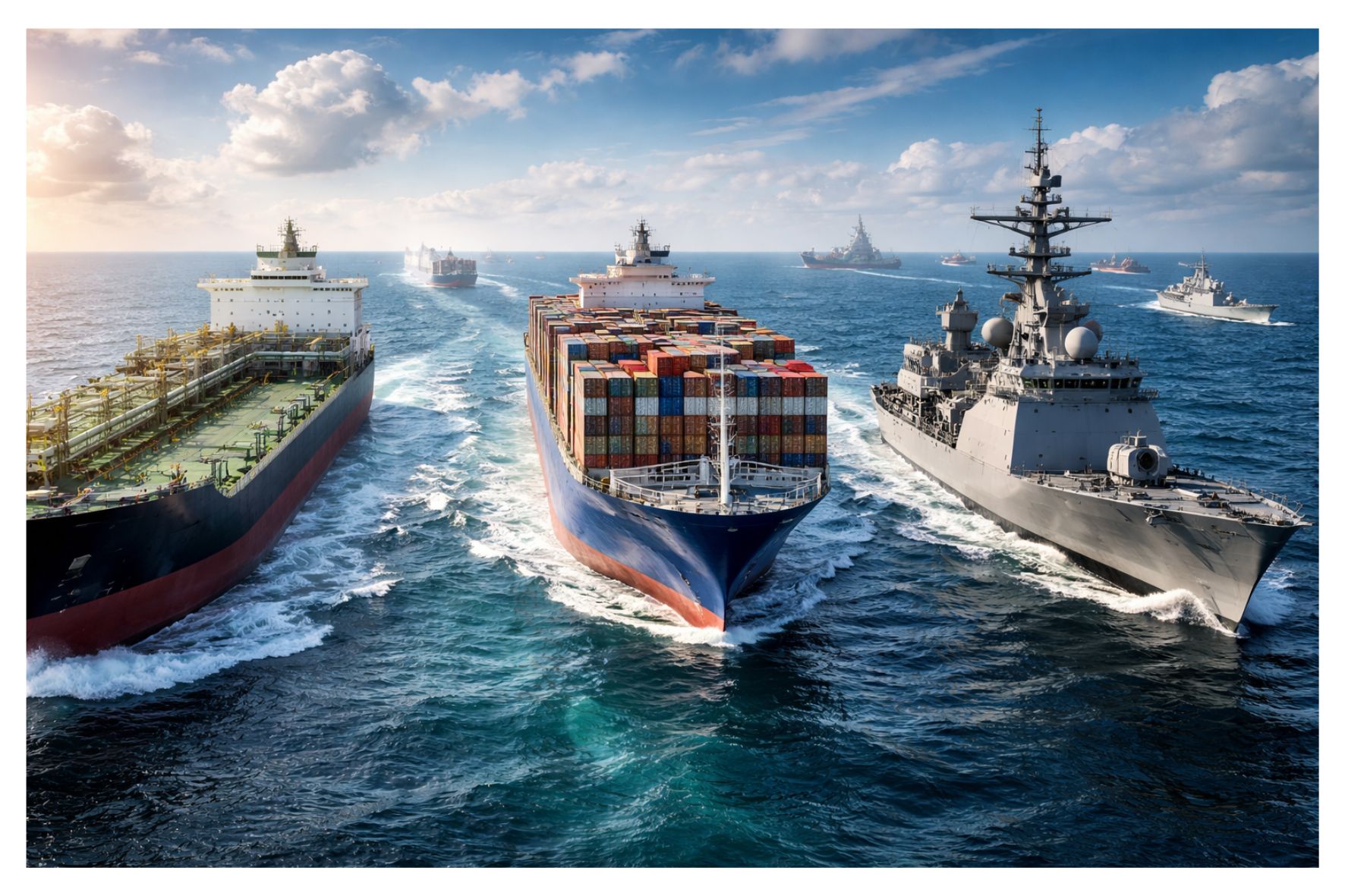
The Iran war and the disruption of the Strait of Hormuz could have a very strong impact on new ship demand, especially in certain vessel segments. The reason is simple: war and geopolitical disruptions increase “ton-mile demand”, which means ships must travel longer distances and stay longer at sea, reducing available capacity.
Below is a clear analysis of how this conflict will influence shipbuilding demand and which ships will benefit the most.
Tanker Demand Will Increase the Most
The biggest winner will likely be the tanker sector. The Strait of Hormuz normally handles about 20% of the world’s oil supply, and disruptions have already caused tanker traffic to collapse and oil prices to surge.
At the same time:
- Tanker freight rates have jumped dramatically.
- VLCC earnings have reportedly exceeded $400,000 per day during the crisis.
This situation pushes oil companies and shipowners to secure more tanker capacity, which eventually leads to newbuilding orders.
Tanker Types That Will See the Most Demand
- VLCC (Very Large Crude Carriers)
- Used for long-haul crude transport (Middle East → Asia / Europe).
- Longer routes caused by geopolitical tensions increase demand.
- Suezmax Tankers
- Important for routes that bypass choke points or serve multiple regional markets.
- Aframax / LR2 Tankers
- Used for refined petroleum products.
- Demand rises when trade routes change and refineries diversify supply.
LNG Carriers Could See a Second Demand Wave
The conflict also threatens LNG flows. Many LNG shipments through the Gulf have already been delayed or suspended, and Asia relies heavily on LNG passing through the Strait. If Middle East supply becomes unstable:
- Europe and Asia will source LNG from the US, Africa, and Australia.
- Transport distances will increase.
This could increase demand for:
- Large LNG carriers (174k+ m³)
- Dual-fuel LNG ships
Container Ships Will Benefit Indirectly
Container ships are less directly affected, but they will still see impacts. Because ships are avoiding risky regions:
- Routes become longer (e.g., Asia–Europe via Cape of Good Hope).
- Transit times increase by 10–14 days.
Longer voyages mean more vessels are required to maintain the same cargo capacity, which increases demand for new ships over time.
Naval and Security Vessel Demand May Increase
Wars also increase demand for:
- Patrol vessels
- Offshore security vessels
- Support ships
- Naval logistics ships
Countries in the Gulf, Europe, and Asia may increase naval shipbuilding to protect maritime trade routes.
Ships Likely to See the Strongest Newbuilding Demand
Highest demand
- VLCC crude oil tankers
- Suezmax tankers
- Aframax / LR2 product tankers
Strong demand
4. LNG carriers
5. Offshore security / patrol vessels
Moderate demand
6. Container ships
7. Bulk carriers